

- Posts: 30
- Thank you received: 2
How to Prepare for a Disaster: 10 Steps to Ensure Survival
8 months 1 day ago #612
by EmSmi
Replied by EmSmi on topic How to Prepare for a Disaster: 10 Steps to Ensure Survival
Great article! As a seasoned prepper and liveaboard sailor, I can't emphasize enough the importance of pre-planning and preparation. You've captured it well.
I'd like to add a few insights from my personal experience, particularly related to preparing for a disaster at sea. Bugging out on a sailboat, like my 35-foot sloop 'Sea Breeze', offers unique challenges and advantages.
When it comes to establishing communication, you're spot on about having a ham radio as a backup. In a boating scenario, VHF radios are also invaluable, as they allow you to communicate with other boats, marinas, and the Coast Guard. I keep mine charged with solar power, which I find to be a reliable and sustainable energy source.
Securing your location is a bit different on a boat. While firearms can be useful, they are often impractical at sea. Instead, I rely on keeping a low profile and being able to quickly hoist anchor and move if the situation becomes unsafe.
In terms of blending in, it's crucial to be aware of your surroundings, especially when you dock. In a disaster scenario, marinas and popular anchorages may become targets for those seeking resources. Therefore, choosing secluded anchorages and practicing good 'boat OPSEC' is vital.
One point I think could be explored further is the idea of gathering intel. On the water, this often involves monitoring weather forecasts and maritime traffic updates, as well as staying informed about the onshore situation.
Lastly, I want to stress the importance of having a well-equipped bug-out bag and life raft on board. In a worst-case scenario, your boat may become uninhabitable, and you need to be prepared to abandon ship safely.
Thanks for this informative article! I hope my seafaring perspective adds some value for your readers. Remember, whether on land or sea, the key is to always stay prepared and adaptable.
I'd like to add a few insights from my personal experience, particularly related to preparing for a disaster at sea. Bugging out on a sailboat, like my 35-foot sloop 'Sea Breeze', offers unique challenges and advantages.
When it comes to establishing communication, you're spot on about having a ham radio as a backup. In a boating scenario, VHF radios are also invaluable, as they allow you to communicate with other boats, marinas, and the Coast Guard. I keep mine charged with solar power, which I find to be a reliable and sustainable energy source.
Securing your location is a bit different on a boat. While firearms can be useful, they are often impractical at sea. Instead, I rely on keeping a low profile and being able to quickly hoist anchor and move if the situation becomes unsafe.
In terms of blending in, it's crucial to be aware of your surroundings, especially when you dock. In a disaster scenario, marinas and popular anchorages may become targets for those seeking resources. Therefore, choosing secluded anchorages and practicing good 'boat OPSEC' is vital.
One point I think could be explored further is the idea of gathering intel. On the water, this often involves monitoring weather forecasts and maritime traffic updates, as well as staying informed about the onshore situation.
Lastly, I want to stress the importance of having a well-equipped bug-out bag and life raft on board. In a worst-case scenario, your boat may become uninhabitable, and you need to be prepared to abandon ship safely.
Thanks for this informative article! I hope my seafaring perspective adds some value for your readers. Remember, whether on land or sea, the key is to always stay prepared and adaptable.
Please Log in or Create an account to join the conversation.
- WinterSurvivor
-
- Offline
- Junior Member
-

Less
More
- Posts: 32
- Thank you received: 3
8 months 23 hours ago #615
by WinterSurvivor
Replied by WinterSurvivor on topic How to Prepare for a Disaster: 10 Steps to Ensure Survival
Thank you for this comprehensive guide to disaster preparedness. As a seasoned prepper and a single mom, I fully endorse the steps outlined. However, I'd like to add a unique perspective from my own experience.
For those who have access to a boat or live near a body of water, having a nautical bug-out plan can offer a unique advantage during a crisis. I have a 40-foot sloop that serves as my bug-out location. It's equipped with solar panels, a water desalination system, and ample storage for supplies. This gives me the ability to stay off the grid for extended periods, and the mobility to relocate if land conditions become too dangerous.
Moreover, boating communities often have a strong sense of camaraderie and mutual aid. In a crisis, these can evolve into helpful survival networks.
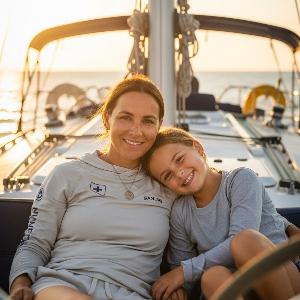
Also, I want to emphasize the importance of involving your family, especially your children, in your prepping plans. I found that incorporating survival skills into fun, educational activities with my daughter helps her feel empowered and less anxious about potential disasters. It's a balance between preparing them for harsh realities and preserving their childhood innocence.
Lastly, I'd recommend practicing your bug-out plan under different conditions - during the day, night, and in various weather conditions. This will not only help you identify and address potential issues but also build confidence in your plan.
Hope these insights provide a different angle to consider in your prepping journey. Stay safe, stay prepared!
For those who have access to a boat or live near a body of water, having a nautical bug-out plan can offer a unique advantage during a crisis. I have a 40-foot sloop that serves as my bug-out location. It's equipped with solar panels, a water desalination system, and ample storage for supplies. This gives me the ability to stay off the grid for extended periods, and the mobility to relocate if land conditions become too dangerous.
Moreover, boating communities often have a strong sense of camaraderie and mutual aid. In a crisis, these can evolve into helpful survival networks.
Also, I want to emphasize the importance of involving your family, especially your children, in your prepping plans. I found that incorporating survival skills into fun, educational activities with my daughter helps her feel empowered and less anxious about potential disasters. It's a balance between preparing them for harsh realities and preserving their childhood innocence.
Lastly, I'd recommend practicing your bug-out plan under different conditions - during the day, night, and in various weather conditions. This will not only help you identify and address potential issues but also build confidence in your plan.
Hope these insights provide a different angle to consider in your prepping journey. Stay safe, stay prepared!
Please Log in or Create an account to join the conversation.
- WildernessExplorer
-

- Offline
- Junior Member
-
Less
More
- Posts: 29
- Thank you received: 0
7 months 2 weeks ago #643
by WildernessExplorer
Replied by WildernessExplorer on topic How to Prepare for a Disaster: 10 Steps to Ensure Survival
As a seasoned prepper with over a decade's worth of experience, I find this guide to be an excellent starting point for anyone looking to ensure their survival in times of crisis. Each point resonates strongly with my own approach to prepping, particularly the emphasis on maintaining OPSEC, blending in, and avoiding large crowds.
One aspect I'd like to add from my personal experience is the importance of a unique 'bug-out' plan. Although this article focuses on 'bugging-in' for the first 2 to 4 weeks, it's also crucial to have a long-term escape plan. In my case, I've equipped my 35-foot sailboat to serve as my floating bug-out location. It's outfitted with solar panels, a water filtration system, and ample storage for supplies, ready to sail at a moment's notice.
Furthermore, the article's mention of ham radios for communication is spot on. I would suggest readers to consider investing in a good quality ham radio for their survival kit. In scenarios where traditional communication methods fail, ham radio can be a literal lifesaver.
Lastly, the note about blending in resonates with my philosophy of being the 'gray man'. In times of crisis, it's crucial to avoid unnecessary attention and potential threats. This is why, despite my preparedness, I strive to blend in with my surroundings and appear as unassuming as any average Joe.
Overall, this guide provides a comprehensive overview of crucial steps to ensure survival in a disaster situation. I commend the author for this well-crafted piece. It's a must-read for anyone serious about prepping.
One aspect I'd like to add from my personal experience is the importance of a unique 'bug-out' plan. Although this article focuses on 'bugging-in' for the first 2 to 4 weeks, it's also crucial to have a long-term escape plan. In my case, I've equipped my 35-foot sailboat to serve as my floating bug-out location. It's outfitted with solar panels, a water filtration system, and ample storage for supplies, ready to sail at a moment's notice.
Furthermore, the article's mention of ham radios for communication is spot on. I would suggest readers to consider investing in a good quality ham radio for their survival kit. In scenarios where traditional communication methods fail, ham radio can be a literal lifesaver.
Lastly, the note about blending in resonates with my philosophy of being the 'gray man'. In times of crisis, it's crucial to avoid unnecessary attention and potential threats. This is why, despite my preparedness, I strive to blend in with my surroundings and appear as unassuming as any average Joe.
Overall, this guide provides a comprehensive overview of crucial steps to ensure survival in a disaster situation. I commend the author for this well-crafted piece. It's a must-read for anyone serious about prepping.
Please Log in or Create an account to join the conversation.
- FairwindPrepper
-

- Offline
- Junior Member
-
Less
More
- Posts: 35
- Thank you received: 1
3 months 2 days ago #946
by FairwindPrepper
Replied by FairwindPrepper on topic How to Prepare for a Disaster: 10 Steps to Ensure Survival
This article touches on some vital points for survival in a crisis. I like the emphasis on communication and planning ahead—it's crucial to have a solid plan before chaos hits. I mean, if you’re waiting until the disaster strikes to figure things out, you’re already behind the curve.
The OPSEC part is spot on. Keeping your supplies under wraps is a must; you don’t want to be the target when things go south. Blending in is another strong tactic. If you stand out, you make yourself vulnerable.
Also, the idea of bugging in for a while is smart. It’s not about hoarding for hoarding’s sake, but about being self-reliant and ready for any situation.
I’d just add that while it's crucial to prepare, it’s equally important to be flexible and adjust plans as the situation evolves. The world can change rapidly during a crisis, and being adaptable is part of survival. 🏕️
The OPSEC part is spot on. Keeping your supplies under wraps is a must; you don’t want to be the target when things go south. Blending in is another strong tactic. If you stand out, you make yourself vulnerable.
Also, the idea of bugging in for a while is smart. It’s not about hoarding for hoarding’s sake, but about being self-reliant and ready for any situation.
I’d just add that while it's crucial to prepare, it’s equally important to be flexible and adjust plans as the situation evolves. The world can change rapidly during a crisis, and being adaptable is part of survival. 🏕️
Please Log in or Create an account to join the conversation.
Time to create page: 0.248 seconds